

 Send Email
 8613930077493


0102030405
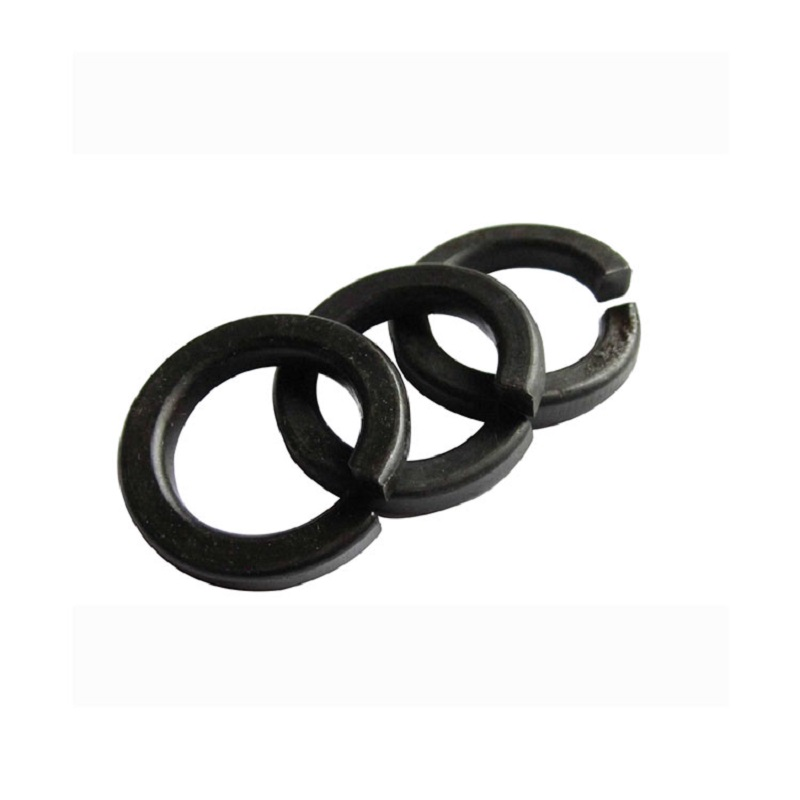


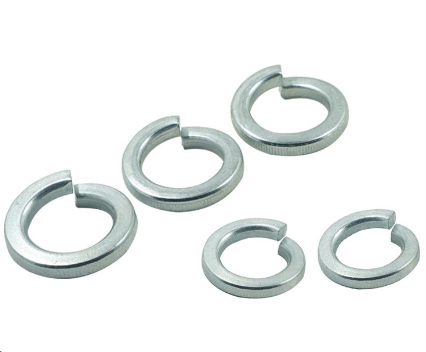
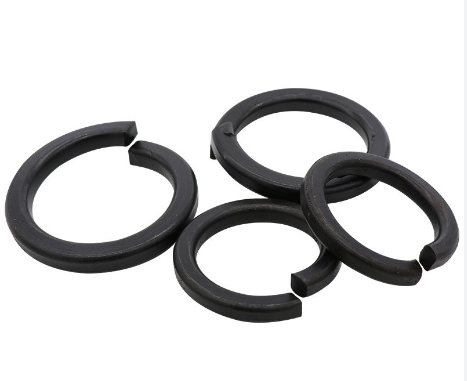
High Quality Spring Washer from China Factory - Reliable Steel Open Gasket Spring Pads, Top Suppliers for Your Needs
How Spring Washers Prevent Loosening
The spring washer has good anti-loose effect and anti-seismic effect. The general direction of the thread is right-handed, and the spiral direction of the spring washer is left-handed. After tightening the nut, the elastic reaction generated by the washer flattening compels the screw threads.
When the fastener combination is subjected to the axial force of the vibration of the bolt, due to the elastic deformation of each part after the stress, sometimes there will be a gap between the fasteners, which is easier to loose. The tip of the spring washer’s oblique mouth is against the supporting surface of the bolt or nut and the connected part, which can make up for the gap between the instantaneous fasteners and prevent loosening.
Opposing Spirals
Right-handed thread paired with a left-handed spiral washer creates opposing force.
Gap Compensation
The oblique mouth tip compensates for instantaneous gaps caused by vibration.
Frequently Asked Questions
Q1: What are the primary benefits of using a spring washer?
Spring washers provide excellent anti-loose and anti-seismic effects, helping to keep fastener assemblies secure under stress.
Q2: How do the spiral directions of the thread and spring washer interact?
Typically, the thread direction of the bolt is right-handed, while the spiral direction of the spring washer is left-handed to help prevent loosening.
Q3: How does flattening the spring washer help secure the fastener?
Once the nut is tightened, the washer is flattened, generating an elastic reaction force that tightly compels the screw threads together.
Q4: Why do fasteners loosen during vibration?
Vibration subjects the bolt to axial forces, causing elastic deformation in the parts. This deformation can create temporary gaps between fasteners, leading to loosening.
Q5: How does the oblique mouth of the spring washer prevent loosening?
The tip of the oblique mouth presses against the supporting surface of the bolt, nut, or connected part, compensating for instantaneous gaps and keeping the connection tight.